
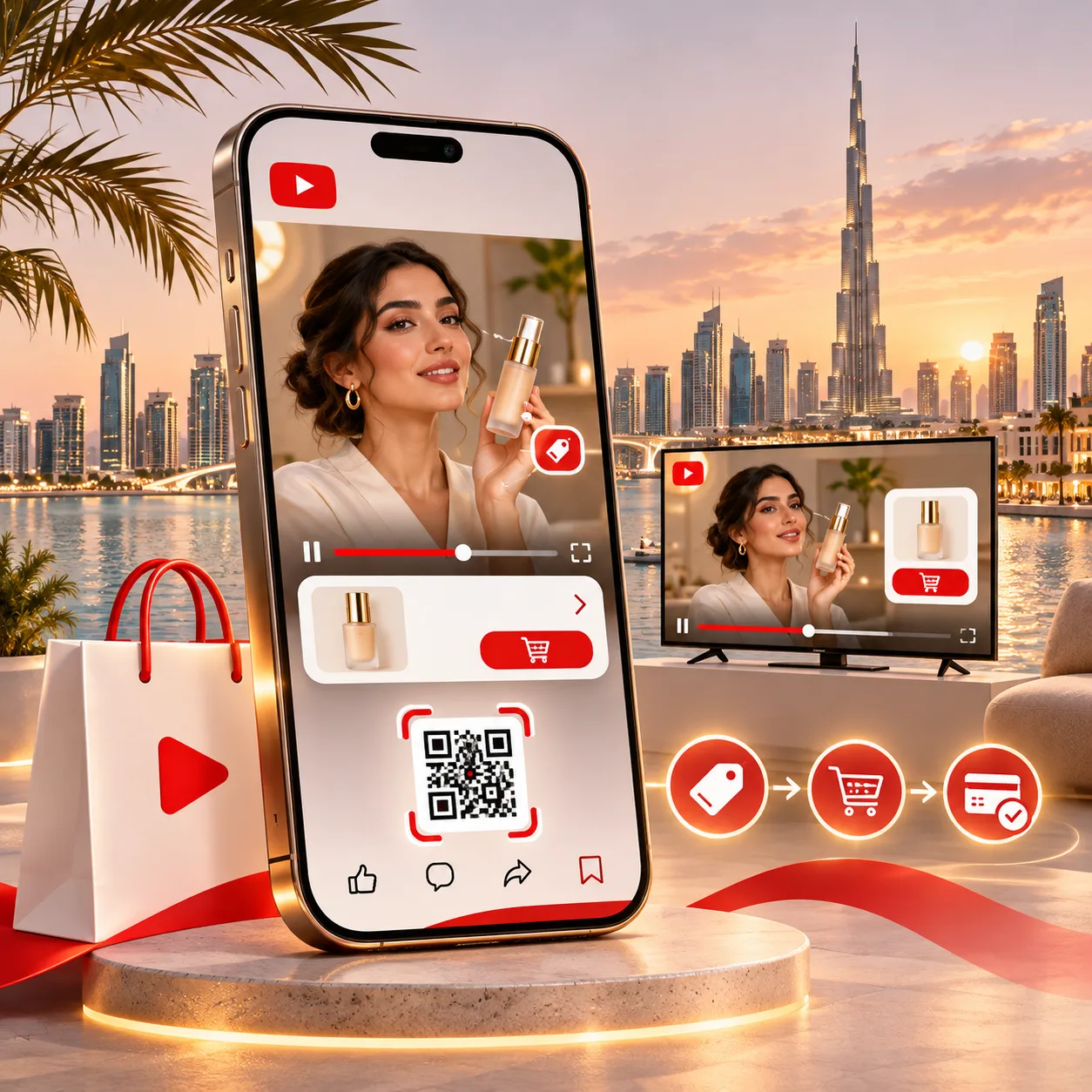
For Amazon.ae sellers, getting a product seen is often as difficult as getting it listed. Competition and price comparisons make marketplace attention expensive. Amazon YouTube Shopping in the UAE creates another product-discovery route: an eligible creator demonstrates an item, tags a participating Amazon product and gives viewers a direct way to investigate it. The UAE launch was announced on 26 October 2026, with Amazon as the first partner. The opportunity is real, but sellers need a disciplined plan rather than a promise of automatic sales.
Key takeaways
- Eligible creators – not sellers – add Amazon product tags to YouTube videos, Shorts and livestreams.
- Start with one or two in-stock hero SKUs with strong listings.
- Shortlist creators who answer your buyers’ questions, and confirm their Shopping access for the exact SKU.
- Keep affiliate commission, creator fees and agency fees separate, and agree what data each party can see.
Understand what the new Amazon connection does
The programme allows eligible creators to attach Amazon product tags to supported YouTube videos, Shorts and livestreams. Viewers can open product details while consuming the content and proceed to Amazon to purchase. The creator may earn a commission on qualifying transactions under the programme’s terms. This is different from paying an influencer for a conventional post that sends traffic to an Amazon URL using a description link or coupon code. Both can be useful, but the technology, permissions and reporting may differ.
Read YouTube’s official Amazon tagging guidance before treating a listing as eligible. The seller does not automatically control a creator’s affiliate access, tagged-product availability or payout terms. OneHub’s existing Amazon and Noon seller influencer service covers broader marketplace campaigns; this guide concentrates on the new Shopping workflow.
Step 1: Select products that can handle creator demand
Choose one or two hero SKUs with reliable stock, competitive pricing and a clear reason to buy. Check listing titles, primary images, delivery estimates, variations and product detail pages. Review returns and margins. A strong video can generate interest, but an unclear size chart, inconsistent variant or weak image gallery will still cause shoppers to abandon the page.
For beauty or grooming, confirm permitted claims and product details. For electronics, ensure specifications and compatibility are accurate. For household products, show the dimensions and what is included in the box. Where the programme permits tagging, verify that the creator can select the exact item rather than assuming a visually similar product is interchangeable.

Step 2: Build an honest creator shortlist
The best reviewer answers your buyers’ questions. Review channel topics, geography, recent videos, audience language, median views and comment quality. Check whether past brand integrations feel useful and whether the creator demonstrates products properly. A focused UAE tech reviewer could outperform a celebrity with overseas reach for a new power bank.
Add a practical eligibility check: can the creator currently use YouTube Shopping Amazon product tags, and can the exact SKU be found? Do not assume 500 subscribers alone creates access; channel and programme criteria still apply. Use YouTube creator discovery to build a shortlist by audience fit, product expertise and campaign objective, not just subscriber count.
Step 3: Brief content around real purchase questions
A strong brief begins with the customer’s hesitation. What does the product solve? How is it different? What is the size, texture, setup process or maintenance requirement? Ask the creator to demonstrate the answer, describe limitations honestly and use only verified product claims. Preserve the channel’s own voice so the video feels like a review, not a scripted advertisement disguised as independent advice.
Shorts for fast product understanding
A concise Short can show a before-and-after desk setup, a skincare texture comparison or three practical uses of a kitchen gadget. Use one buying reason, visible product context and a simple next step. Pair Shorts with one longer review to test which explanations work.
Long-form comparisons for considered purchases
Detailed YouTube reviews work well when viewers need to compare specifications, features or value. A creator might compare two price tiers, show a week of actual use or explain who should not purchase a product. Such detail may attract more qualified buying questions.

Step 4: Structure payments, product seeding and rights
An affiliate programme does not necessarily replace creator fees. Some creators expect a fixed payment for scripting, production and guaranteed posting; others may accept products or a performance-based arrangement when permitted. Negotiate deliverables, number of revisions, posting dates, language, exclusivity, disclosure and rights to repurpose footage. Separate the platform’s affiliate commission from any fee paid to the creator and any agency service charge.
For sellers considering a broader affiliate creator programme in the UAE, document attribution rules and avoid mixing native YouTube Shopping outcomes with tracking from other platforms. Do not request paid or gifted Amazon customer reviews; creator endorsements published on YouTube are a different activity and still require truthful disclosure.
Step 5: Measure what the campaign really delivers
Before launch, agree which metrics each party can actually access. Track published videos, reach, qualified comments, watch performance and available product-tag interactions. Where the creator, retailer or seller account provides permission, review clicks, attributable orders and revenue; do not assume OneHub or the seller can see all affiliate transactions. Compare stock position, product pricing and marketplace promotions over the same period to interpret the results fairly.
Consider a simple pilot: one hero SKU, three to five suitable creators and a mix of two or three creative angles. Set a fixed test window and define success before content goes live. Useful outcomes may include better-quality customer questions and product interest, not only a headline view count. After the pilot, shift spend to the content themes and creators showing the strongest commercial signals.
Common mistakes that weaken Amazon Shopping campaigns
Avoid selecting creators by followers alone, promoting out-of-stock variants, using unverified health or performance claims, and expecting a single Short to explain a complicated purchase. Do not assume an Amazon.ae listing is instantly taggable or that a tagged video guarantees an attributed order. Stagger releases to learn and adjust inventory or creative.
What types of Amazon sellers benefit most?
Product categories with demonstrable benefits are natural starting points: beauty, grooming, fragrance, consumer electronics, kitchen tools, home organisation, fitness accessories and gifting. Some sellers will get greater value from conventional creator traffic or e-commerce influencer marketing if native Shopping tags are unavailable for their specific products. The right answer should follow a product eligibility check, not a generic channel recommendation.
For brands planning beyond Amazon, our YouTube Shopping UAE guide for brands covers the wider campaign strategy.