
Case Study: Thai Restaurant Launch Influencer Campaign, Dubai
A step-by-step look at how OneHub plans and executes a Thai restaurant launch influencer campaign in Dubai — from pre-launch anticipation through opening-week results — for restaurant owners weighing whether influencer marketing is the right way to introduce a new Thai concept to Dubai’s crowded dining scene.
The Challenge of a Thai Restaurant Launch
Dubai’s Thai dining scene, while genuinely popular, is also competitive, with established favorites that have built loyal followings over years. A new Thai restaurant needs to establish a clear reason to try it over an already-trusted local favorite, and generic “new restaurant opening” content alone rarely gives potential diners a compelling, specific reason to make the switch.
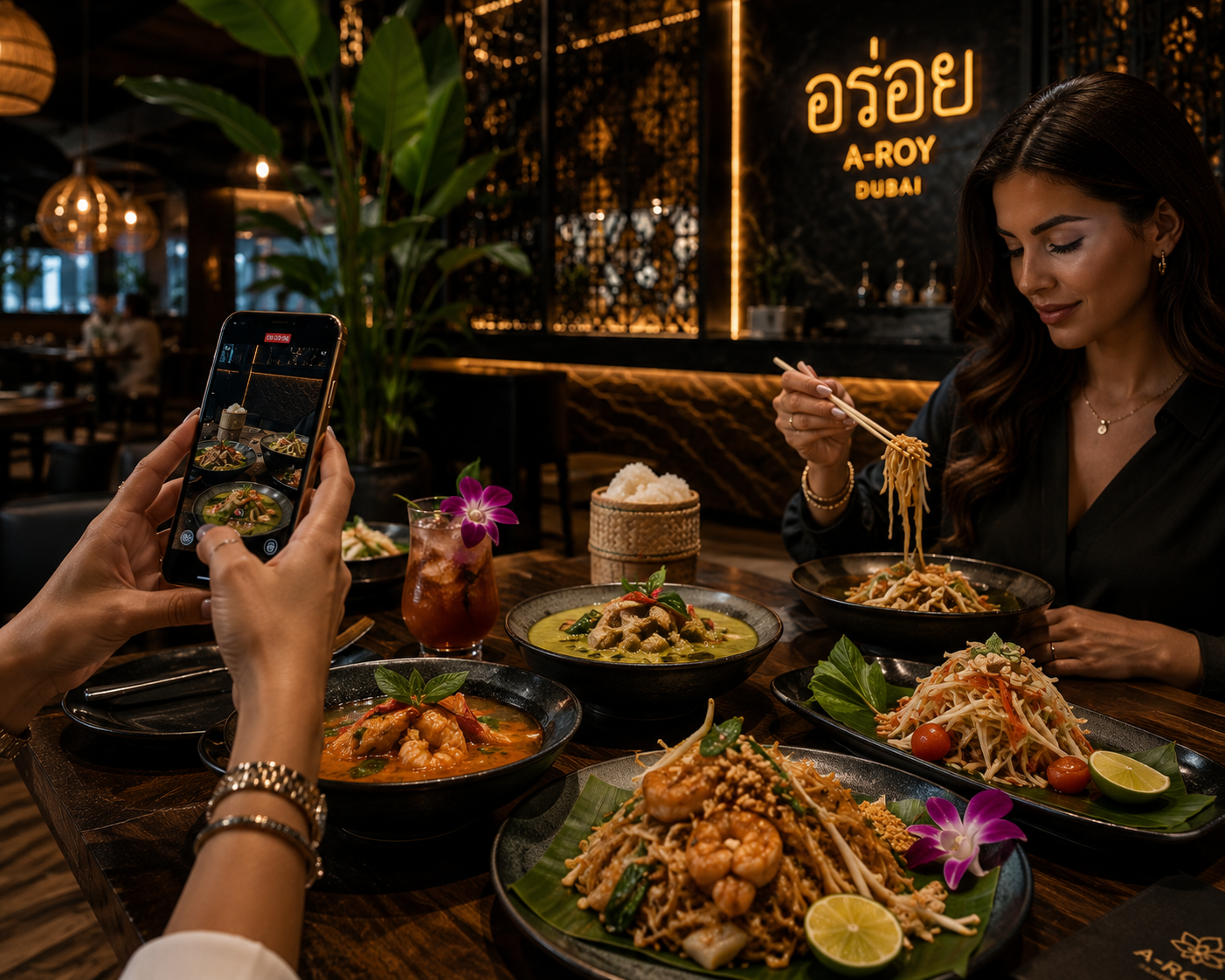
The Approach
OneHub structures Thai restaurant launch campaigns around establishing a clear point of difference from day one — whether that’s a specific regional Thai influence not well represented locally, a standout signature dish, or a particular approach to authenticity and sourcing. Pre-launch content, typically running three to four weeks before opening, builds anticipation around this specific differentiator rather than generic “new Thai restaurant” messaging.
Creator selection prioritizes genuine food enthusiasts with demonstrated appreciation for authentic, bold flavors over generalist lifestyle creators, since credibility with this specific, food-literate audience matters more for building lasting reputation than broad but less relevant reach.
Content Strategy
Pre-launch content typically emphasizes the restaurant’s specific point of difference — a chef’s background, a specific regional influence, a signature dish preview — giving the launch a distinct identity beyond generic newness. Opening-week content shifts toward genuine tasting experience documentation across a representative range of the menu, giving potential diners a credible, complete sense of what makes the restaurant worth visiting.
Measuring Success
Beyond standard engagement metrics, OneHub tracks reservation link clicks throughout both campaign phases, and where the restaurant’s booking system supports it, ties opening-week reservations back to specific creator content. This attribution is what separates a genuinely data-informed launch from one that simply generates pleasant content with no clear read on whether it drove actual bookings.
Lessons That Apply Broadly
A few patterns hold consistently across Thai restaurant launches in a competitive market like Dubai’s: establishing a clear, specific point of difference from the outset outperforms generic “new restaurant” messaging, creators with genuine food credibility drive stronger, more lasting reputation than a single high-follower creator with no particular connection to the cuisine, and pre-launch anticipation content meaningfully outperforms a launch relying entirely on opening-week visits with no lead-up.
How OneHub Applies This to Your Launch
Every Thai restaurant concept has its own specific angle, whether that’s a particular regional cuisine focus, a chef’s personal story, or a distinct approach to ingredients and sourcing, and OneHub adapts this general framework to highlight what’s genuinely specific about your restaurant rather than applying a generic template. The underlying discipline of establishing a clear differentiator and building credible, food-literate creator relationships stays consistent across every launch we run.
OneHub is the Trusted Influencer Marketing Agency Across the UAE & GCC
Over the years, we’ve built a strong network of creators across UAE and the GCC region. From nano and micro influencers to macro creators and celebrities, we help brands launch strategic campaigns that reach the right audience, strengthen brand awareness, and generate real ROI through data-driven influencer marketing.
Frequently Asked Questions
It’s also worth noting what tends not to work: launch campaigns that rely on a single generic “new restaurant” announcement with no specific hook or differentiator tend to generate a short burst of curiosity that fades quickly once the novelty wears off. Diners in a market this competitive are looking for a genuine, specific reason to choose a new restaurant over an established favorite, not just the fact that it’s new.
Timing content around the actual opening date also matters more than it might seem — posting too early risks the audience forgetting by the time the restaurant is actually open, while posting too late misses the initial wave of curiosity a genuinely new opening generates. OneHub maps content release dates carefully against the confirmed opening date, building in flexibility for the inevitable delays that come with any physical launch.
OneHub typically recommends starting creator outreach three to four weeks before opening, to build pre-launch anticipation alongside the opening-week content push.
Reach, engagement, reservation link clicks, and, where available, opening-week covers are tracked and reported after the campaign.
This varies by budget, but most OneHub Thai restaurant launch campaigns involve five to eight creators across the pre-launch and opening-week phases combined.
Yes — the same framework scales down effectively for smaller concepts and budgets, typically with fewer creators and a shorter pre-launch window.
Yes — this is often the first and most important part of our launch planning process, working with you to identify a specific, credible point of difference rather than relying on generic newness alone.
Planning a Thai restaurant launch of your own? Get a free launch campaign proposal from OneHub.