
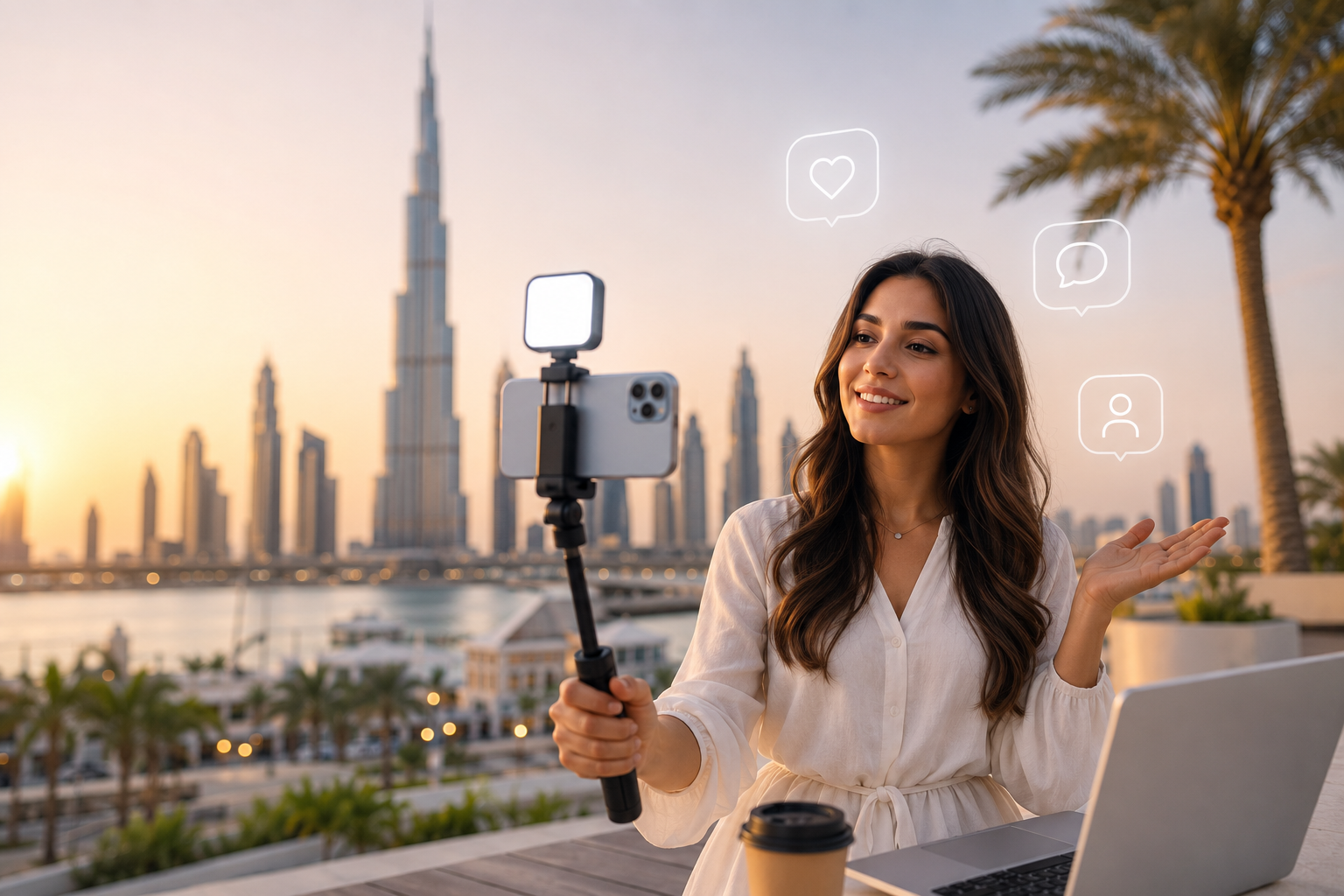
The UAE economy has entered 2026 on solid footing. GDP growth is tracking above 5%, inflation remains contained under 2%, consumer confidence is strong, and the federal budget has jumped nearly 29% with heavy investment in digital infrastructure and diversification. For brands, this isn’t just macroeconomic trivia — it’s a signal. When consumer spending power holds steady and the government actively backs the digital economy, the channels that convert attention into sales fastest are the ones worth doubling down on. Right now, that channel is influencer marketing.
The Post-Boom Advantage: Why It Works Better Now, Not Less
The UAE influencer industry has matured. The 2018–2022 phase of paying for follower counts is over, replaced by a data-driven, ROI-first model — partly pushed by National Media Council regulations requiring disclosure, and partly by brand teams demanding measurable returns rather than vanity metrics. That maturity is actually the advantage: with nearly 100% internet penetration, 95%+ smartphone adoption, and some of the highest social media usage rates in the world, the UAE audience is not just reachable — it’s primed to act on recommendations from creators it trusts.
Economically, this matters because budgets are being scrutinized more carefully across every sector. Influencer marketing consistently outperforms traditional advertising on cost-per-result, especially through micro and nano influencers (10K–50K followers), who now regularly deliver double-digit engagement rates compared to under 2% for celebrity accounts. Brands that shifted budget from single mega-influencer deals to multiple smaller, highly targeted creators have reported dramatically stronger sales lift for the same — or lower — spend.
Which Sector Benefits Most?
Not every industry gets equal value from creator marketing, but a few stand out clearly in the current UAE and Gulf market:
- Beauty & Personal Care — Consistently the top-performing category, with high engagement, strong repeat-purchase behavior, and a built-in culture of tutorials and reviews.
- Fashion & Lifestyle — Dubai’s status as a global fashion and luxury hub makes this a natural fit, especially for video-first formats like Reels and TikTok.
- F&B & Hospitality — Tourism and dining remain resilient pillars of the UAE economy, and location-based creator content converts extremely well with both residents and visitors.
- Fitness & Wellness — Rising health consciousness and disposable income make this a fast-growing niche for authentic, trust-based promotion.
- Luxury & Real Estate — High purchasing power and an internationally connected audience continue to reward premium, aspirational creator partnerships.
If a brand had to choose one starting point, beauty and fashion currently offer the fastest, most measurable wins — but hospitality is close behind given the region’s tourism-driven economic strategy.
The Bottom Line
A stable, well-funded economy plus a hyper-connected, mobile-first population is a rare combination. It means influencer marketing in the UAE isn’t a discretionary trend — it’s becoming core infrastructure for growth. The brands moving early into smarter, ROI-focused creator strategies are the ones positioned to capture that advantage before it becomes the default playbook for everyone else.
Related keywords: influencer marketing UAE, Dubai influencer agency, GCC influencer marketing, micro influencer Dubai, influencer marketing ROI UAE, social media marketing Gulf, Dubai content creators, influencer marketing Abu Dhabi, UAE digital marketing trends, nano influencer campaigns
Frequently Asked Questions
1. Is influencer marketing still worth investing in during 2026? Yes — arguably more than ever. With UAE GDP growth outperforming global averages and digital ad spend in the region climbing toward $11.6 billion, influencer marketing remains one of the highest-ROI channels available, especially compared to traditional media.
2. Which industries see the best results from influencer marketing in the UAE? Beauty, fashion, hospitality, fitness, and luxury lifestyle brands consistently see the strongest engagement and conversion rates, though the right fit depends on your specific audience and product.
3. Are micro-influencers really better than mega-influencers? For most brands, yes. Micro and nano influencers tend to deliver significantly higher engagement rates and more authentic audience trust, often at a fraction of the cost of a single mega-influencer partnership.
4. How do I know if an influencer’s audience is genuine? Look for organic (not spiky) follower growth, audience demographics that match your target market, and a healthy ratio of genuine comments to likes. Third-party audit tools can also verify authenticity before you commit budget.
5. How is influencer marketing regulated in the UAE? The National Media Council requires influencers to disclose commercial partnerships and, in many cases, hold a license to post sponsored content. Working with an experienced agency helps ensure full compliance.
6. What kind of content performs best right now? Short-form video — Reels and TikTok — significantly outperforms static posts across nearly every sector in the UAE market.
7. How much should a brand budget for influencer marketing? This varies by sector and goals, but most UAE brands currently allocate 10–15% of their digital marketing budget to influencer and video campaigns, with many shifting more toward ongoing creator partnerships rather than one-off posts.