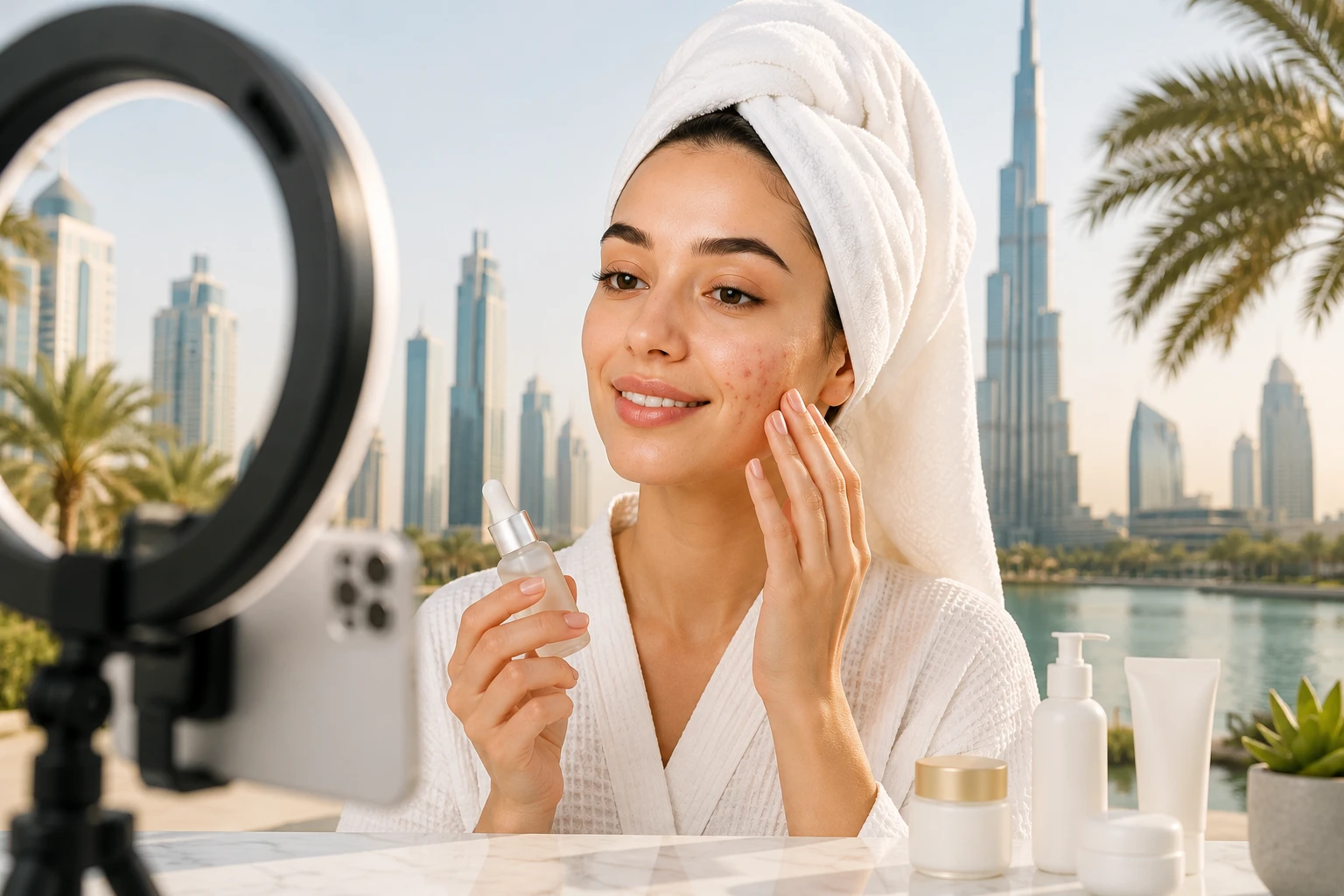
Acne Treatment Influencer Campaigns That Actually Work Dubai

Acne is one of the most searched skin concerns in the UAE, and it’s also one of the most emotional. Patients booking a consultation aren’t just choosing a treatment — they’re choosing whether to trust a clinic with something that affects their confidence daily. That’s exactly why acne treatment influencer campaigns tend to outperform almost every other clinic marketing format in Dubai, provided they’re built around the right creators and the right proof points.

Why Acne Content Performs So Well on Social Media

Acne content sits at the intersection of relatability and visible transformation, which is a rare combination in healthcare marketing. A creator documenting a 12-week clearing journey gives a prospective patient something a clinic ad never can: a believable before-and-after with a face and a voice attached to it. That authenticity is why acne clinic marketing in Dubai increasingly leans on creators rather than studio photography and stock imagery.

It also matches how people actually research treatment. Most patients don’t search “best dermatology clinic Dubai” first — they search a specific concern, like cystic acne, hormonal breakouts, or acne scarring, then look for real people who’ve dealt with the same thing. A well-placed influencer video answers that search intent directly.

Campaign Formats That Convert

The treatment-journey series
A single creator posts three to five updates across a treatment course — first consultation, mid-treatment, and final results — rather than one polished reveal. The serialized format keeps the audience checking back and builds far more trust than a single post.

The myth-busting explainer
Creators pair with the clinic’s dermatologist to debunk a common acne myth (diet, popping pimples, over-cleansing) on camera. This format performs well because it’s genuinely useful content, not just a sales pitch, and it positions the clinic as the expert source.

The candid Q&A

A creator answers their followers’ real questions about their own treatment—cost, pain level, and

downtime—with the clinic tagged. This format tends to generate the highest number of direct message inquiries because it removes the guesswork prospective patients have before booking.

Which Influencer Tier Works Best for Acne Campaigns

Micro-influencers for acne treatment clinics consistently outperform larger accounts on this topic specifically. Someone with 20,000–80,000 engaged followers who has genuinely struggled with acne reads as credible in a way a celebrity endorsement doesn’t — audiences can tell the difference between a paid placement and a real experience. The best acne treatment influencers in the UAE for this kind of campaign are usually skincare-niche creators already trusted for product reviews, not general lifestyle influencers picking up a one-off brand deal.

The Compliance Callout: What Acne Campaigns Cannot Do

Acne content is one of the areas health authorities scrutinize most closely, because before-and-after imagery is easy to misuse. Any before-and-after content needs documented patient consent and a clear disclaimer. Creators cannot promise a specific outcome, timeline, or percentage of clearing, and only a DHA-licensed practitioner can make clinical claims about a treatment’s effectiveness — the influencer can share their personal experience, but not diagnose or promise results on the clinic’s behalf. Every post also needs the facility’s medical advertisement license number, and from February 2026, the creator’s own UAE Media Council advertiser permit. Building these requirements into the content brief from day one avoids reshoots and keeps the clinic protected.

Frequently Asked Questions

What makes an acne treatment influencer campaign effective in Dubai?
Campaigns that use real, relatable creators documenting an honest treatment journey — rather than a single polished before-and-after post — consistently drive more consultation bookings than one-off sponsored posts.
Yes, but only with documented patient consent and a clear disclaimer, and the content must avoid guaranteeing specific outcomes, in line with DHA advertising rules.
Micro-influencers with 20,000–80,000 engaged, niche skincare followers typically outperform larger accounts for acne content because their experience reads as more credible and relatable.
Avoid letting creators promise specific results or timelines, make clinical claims without a licensed practitioner, or skip the required permit and disclaimer disclosures.
A steady cadence — a few creators publishing monthly rather than one large seasonal push — tends to build more trust and generates a more consistent stream of bookings.
Facebook
LinkedIn